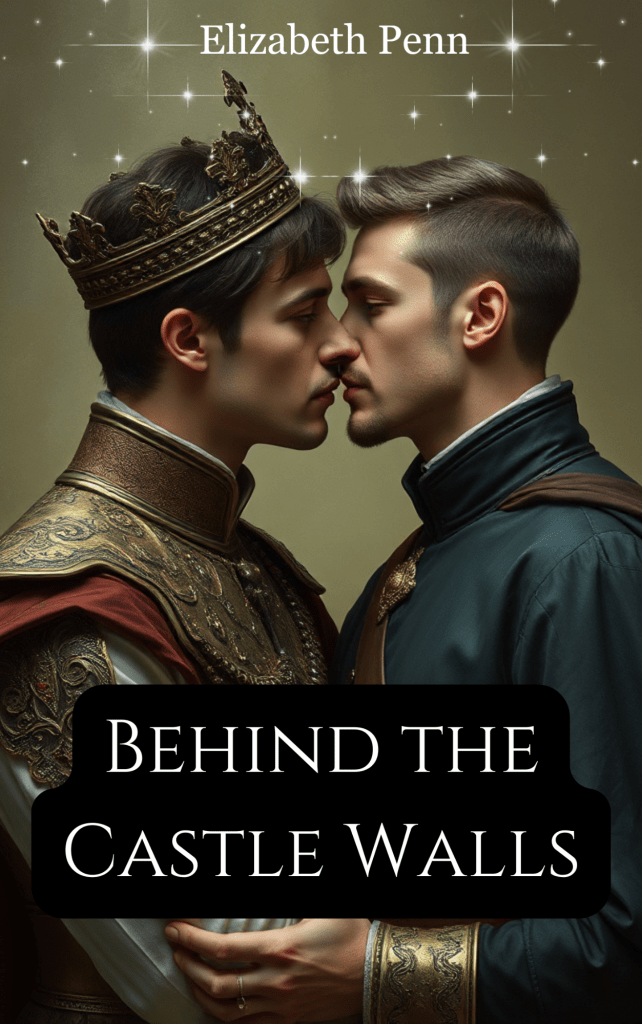
I just released a heartbreaking gay romance short story. Click HERE to read it.
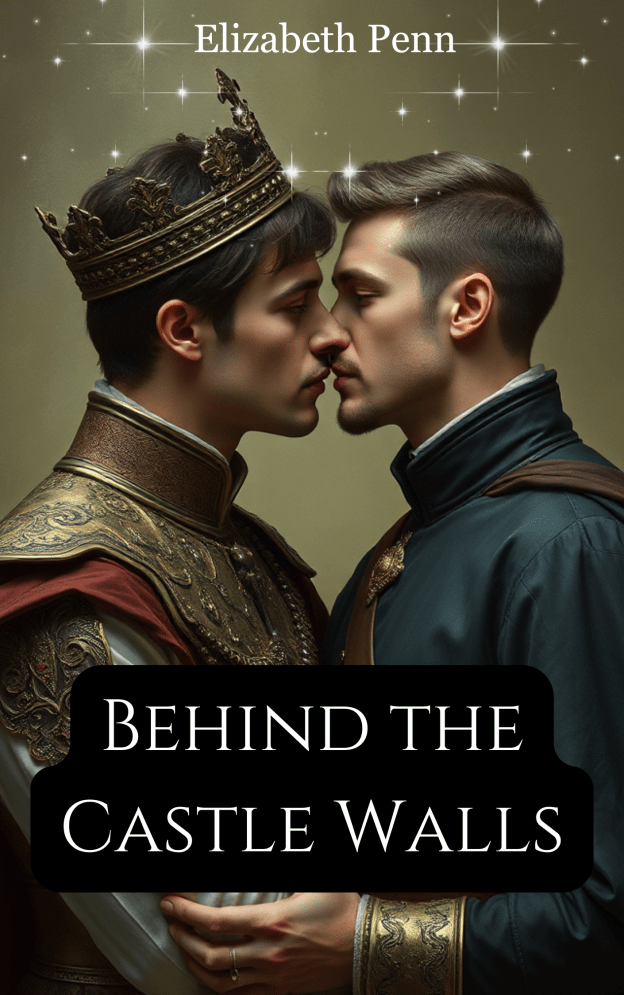
I just released a heartbreaking gay romance short story. Click HERE to read it.

Don’t get me wrong, I’m a sucker for a dark brooding romantic interest. (Team Edward forever.) But I’m also a survivor of multiple abusive relationships, some of them legitimately dangerous. As a romance writer, I’d like to look at the problems with these fictional relationships, and how we can address them in future stories.
Here are the three main issues with dark romance:
As writers, we can change these toxic narratives.
We can still have some of the dark traits in the love interest, but we have to include accountability, working on themselves, and the main character should set and enforce boundaries that need to be met for the relationship to continue.
I know, this doesn’t sound as sexy and fun as the usual dark romance relationships where sometimes the danger can be the spark of it, but fiction is a powerful medium, and we should try to be more careful what we write and the repercussions it might have for our readers.

You’ve probably heard the phrase “write what you know.” And it’s true. Writing about topics or experiences you are familiar with can help your writing to feel more realistic for the reader, and it saves you research time. But maybe you’re thinking that your life isn’t interesting enough to be turned into a story. The truth is that almost anything can be!
Below are five ways that I get ideas from my everyday life when writing stories. (Yes, even magical or paranormal stories!)
Anyone you meet can be the inspiration behind your next character. Now, of course, we need to use some creative license and ensure it isn’t too similar to them, as this can lead to hurt feelings or awkward encounters if they ever happen to come across the story. However, to create believable characters, sometimes you need to base them on real people. This can be a nagging parent, that hot guy you saw on the subway, or your best friend from elementary school. Anyone you meet can be turned from fact to fiction with just a little writing magic.Anyone you meet can be the inspiration behind your next character. Now, of course, we need to use some creative license and ensure it isn’t too similar to them, as this can lead to hurt feelings or awkward encounters if they ever happen to come across the story. However, to create believable characters, sometimes you need to base them on real people. This can be a nagging parent, that hot guy you saw on the subway, or your best friend from elementary school. Anyone you meet can be turned from fact to fiction with just a little writing magic.
2. Places: The Setting of Your Own Story
Whether you write contemporary fiction or out-of-this-world sci-fi, the places you have gone can be used as the backdrop of your book. For example, my novel, Miner of Mine, is set in a small town in Utah, where I lived for six months. It’s easy to craft a believable setting when you have your own memory to pull from. It also makes it easier to use the five senses when describing it, because we are already familiar with the place and the way it made you feel.
3. Memories as a Backstory
Sometimes we forget that characters had a whole life before the events we zoom in on for our story. And even more difficult can be crafting that backstory in a way that seems genuine, allowing the character’s previous experiences to shine through as they move through the plot. Personally, I draw inspiration from experiences that have happened to me. It helps me to guide my characters because I know exactly how they are feeling and how they might react to these new situations. For example, most of my characters have either trauma from their family and upbringing, or they have suffered an abusive ex, or even the loss of their partner. These are relatable to me, and I know that by showing this in my own characters’ stories, my readers find similarities with the characters as well, which leads to a deeper connection for them with the story overall.
4. Hopes and Dreams
Every character, even the side characters that barely feature in your story at all, have their own goals and motivations. This aspect of characterization is especially important for your main characters, though. If they don’t have a goal or an idea of where they want their life to go, how will they know what choice to make when faced with the conflicts in the plot? Now, setting up the hopes and dreams of your character might feel silly if your story is simplistic or based in the real world. But even simple goals (and, in fact, especially simple goals) can make your characters feel like a real person. I like to look at my life and the events in my life that I used as inspiration in my stories when I pick their goals. It can be something as simple as getting their own apartment or finding peace and quiet, maybe falling in love, or adopting a puppy. Of course, big goals can really push the story along as well, but the simple goals from our everyday lives are sometimes the most raw expressions of what it means to be human.
5. Quirks
Every character needs flaws as well. This can be an opportunity for us to become more self-aware as we craft these characters. Is there a way that you make your coffee, a specific pair of shoes you love to wear, or maybe an aversion to reading ebooks over paperbacks that makes you who you are? When you friends and family describe you to others, what do they usually say? Characters in fictional stories need these, too. These particularities, or in some cases flaws, help the reader to relate to the characters. I love to look at the little things I do and sprinkle them into my characters.
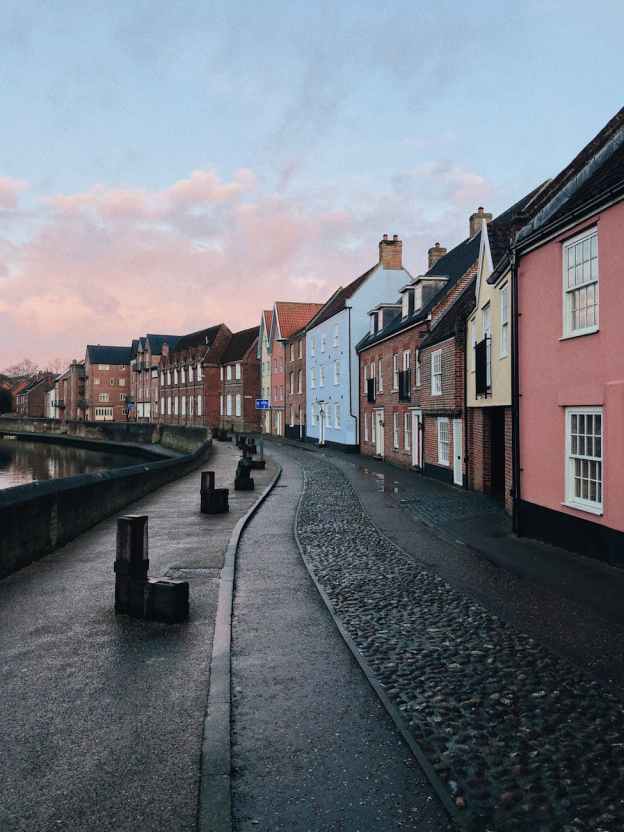
I love books where the setting is central to the plot.
In fact, I would say that in these cases, the setting itself is a character in the story.
In this post I’d like to share with you three things that make these setting so memorable. (And, if you are a writer, how you can write settings that will really have an impact on your readers.) I’m also going to share some examples from Popular stories to give you an idea of what this looks like in action.
A setting plays a deeper role in a story when it:
Below I’ve provided some vivid examples from literature where the setting has a lot to do with the overall story and the charter’s experiences.
Settings really do have the power to take us to a whole new world, and to feel the emotional depth of a story as we walk side-by-side with the characters, wherever they go.
*Author’s Note: In my blog I might reference stories or authors that are considered controversial. However, throughout my studies I have taken the stance that removing the artist from their art is sometimes necessary in order to see the beauty of the fantasy behind the grim reality. After all, that’s what stories are for. They give us hope when the world lets us down. Unfortunately, sometimes that person that lets us down was the one holding the pen.

So, you’re ready to publish your first book?
First of all, congratulations! Writing a book is the hardest part. In fact, the percentage of authors who actually complete their first manuscript is estimated to be as low as 3%.
But books are made to be read, so if you’re ready to publish your manuscript, keep on reading. Below is a step-by-step guide to publishing your book TODAY!
What is Amazon KDP?
KDP stands for Kindle Direct Publishing. It is a self-publishing platform that is owned by Amazon, which helps your book to reach the audiences that order books and ebooks through Amazon and Kindle.
There is no need for paying for printing because KDP is print-on-demand, so the cost is immediately covered by their share, and you receive the money left over after production.
The percentage of royalties made by the author (you) depends on the format your book is in:
If you publish a paperback, you will receive 60% of the list price leftover after printing cost. That is WAY more than the average royalty for traditionally published paperbacks which usually hovers around 10-15%.
If you publish an ebook, KDP gives you two different distribution options which come with different royalty percentages. The first one is called KDP Select, and it comes with a whopping 70% author royalty. For a book to qualify for Kindle Unlimited it needs to be sold exclusively on Amazon and needs to be prices between $2.99 and $9.99. KDP Select also comes with perks like enrolling your book into Kindle Unlimited and having access to different types of book promotions. All other ebooks will receive a 35% author royalty, which is still considered a great cut for authors.
How to Publish Your Book on KDP
Before you start publishing, make sure you format your book. This should include mirrored margins with a .5 on three sides and a .75 on the internal side. Choose the right font and type size for your book to be easy to read and make sure you have any copyright pages, a table of contents, and any other book format requirements your book needs to be complete.
Once you are ready to publish go to KDP and create an account. When you get to your dashboard you will see options to create your book in either paperback, ebook, or audiobook. (This is a new feature they are still perfecting, and it can only be done with current ebooks for now.)
Here is a list of all of the things you need have ready to input when you publish your book:
Hopefully, this guide can help you get started publishing today.
Subscribe for more writing tips and book reviews!
 Elizabeth Penn