Tag Archives: trauma

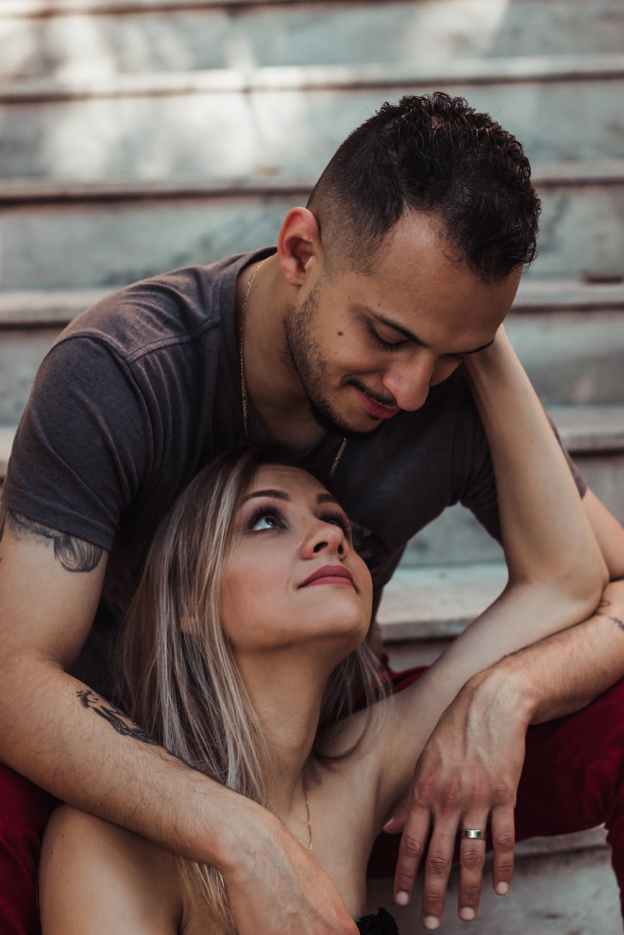
The Dark Side of Romance: Abusive Relationships in Fiction

Don’t get me wrong, I’m a sucker for a dark brooding romantic interest. (Team Edward forever.) But I’m also a survivor of multiple abusive relationships, some of them legitimately dangerous. As a romance writer, I’d like to look at the problems with these fictional relationships, and how we can address them in future stories.

Here are the three main issues with dark romance:

  1. They’re just… misunderstood? Okay, I fall for this one myself, but it’s a serious problem. Oftentimes, the romantic interest in these cases has some traumatic backstory, and this is used as the reason they act so toxic. Yes, a traumatic backstory and conflicting or complex emotions can add to the depth of a character, but if at any point you wonder if this person is capable of actually hurting you… that’s not depth. That’s a red flag. Unfortunately, when we see enough of these fictional relationships, we can ignore red flags in the real world because we have been conditioned to think that our partner is just complex and misunderstood, when really they are just plain abusive.
  2. They’re doing it because they love me. Controlling behavior in fiction is often seen as a sign that they are protective and they just go about it the wrong way. Like the obsession with knowing where the main character is at all times and even breaking their car or following them when they go out is just a way to keep them safe. Good intentions don’t make stalking and control okay, and if we see enough of this in fiction, it’s easier to dismiss it in real life as just a sign that they are just overprotective. In reality, these behaviors lead to dependence on them and the need to look over your shoulder at all times.
  3. But I can save them! No, you can’t. And you shouldn’t have to. Of course we should be there for someone we love, even if they are going through some emotional upheaval or processing trauma. But their trauma shouldn’t give you trauma of your own. Too often in fiction, the main character makes extreme personal sacrifices to make the love interest comfortable. In the end, the love interest heals their trauma and it all ends up being worth it. But that’s a fictional story. In the real world, making all these sacrifices will often lead to you giving up more and more of yourself to make the relationship work, and your partner probably won’t work on any of their trauma either. The relationship might end up working, but it won’t be because you saved them. It’ll be because you sacrificed yourself for the relationship.

As writers, we can change these toxic narratives.

We can still have some of the dark traits in the love interest, but we have to include accountability, working on themselves, and the main character should set and enforce boundaries that need to be met for the relationship to continue.

I know, this doesn’t sound as sexy and fun as the usual dark romance relationships where sometimes the danger can be the spark of it, but fiction is a powerful medium, and we should try to be more careful what we write and the repercussions it might have for our readers.


My Greatest Fear (As an Author)

I have mixed anxiety and depression, so almost anything can make me anxious. However, there is one thing that cripples my mind and my writing more than anything else.

I only recently started working on this fear, and so far it’s been going well. I’ve been writing and posting more, and I’ve felt more creative and more like myself lately. But even so, this fear still sits heavily on my chest.

So what am I so afraid of?

It’s NOT bad book reviews, or rejection letters from agents.

I have a fear of success.

It comes at me from both sides: part of myself believes I shouldn’t bother trying because I will fail anyway, and the other part of myself believes that even if I did succeed it wouldn’t last long, or I wouldn’t be able to handle the big change in my life that success might cause (like quitting my day job and becoming a full-time writer).

So, I sabotage my own career.

I stop myself from writing, I delete posts and stories that I write, and I trash email submissions of my work.

Is it because I haven’t been successful before?

No.

During the free giveaway weeks for two of my novels, they both were downloaded between 2 to 4 thousand times and reader number one in their categories on Amazon.

I’ve had short stories published through my university, online journals, and one that will be published in an anthology in the UK sometime in the next year.

But, I’ve also had some traumatic publishing experiences, including my family’s attempt to silence my writing career when I published my first debut novel. I was so excited to share my stories, but now I have to write in secret and stay silent around those closest to me when it comes to my stories.

How have I been working on my fear?

By writing something small every day. I set out a schedule for myself that consists of small posts or writing only a page or so a day. The more I check off that list, the more confident I become.

Seeing that nothing bad happens, and celebrating small wins has boosted my confidence and my creativity.

If you suffer from the same fear as me, I highly recommend setting up a simple checklist so you can grow your career one step at a time.

The Life Experiences That Inspired My Writing

My stories are about healing.

Specifically, I am interested in how love can heal our deepest wounds and transform our lives. However, for my characters to need healing, they had to experience some form of trauma. And if you have read my work, you know that the trauma that my characters face is real and raw.

I’ll never forget reading a comment for Maple Creek from a reader who had left an abusive husband. She said, “We spent three months in a women’s shelter. I knew when I started reading this book, what it was about. Very good writing.”

Now if I’m being honest, overall, Maple Creek was in many ways a mistake and a stain on my career. I was inexperienced in publishing and I was in a very dark place in my life mentally and emotionally. I didn’t have an editor, and the moment I finished the book my cursor hovered over the button to delete the manuscript permanently.

In a moment of panic I published the book typos and all to save it from being wiped out of existence… by me. I told myself that if even one person liked it, I would continue my writing career. But there was no way anyone would like it, right? And needless to say, the book created some pretty reviews. most of the initial emotional reactions to the book were anger and disgust. Part of me felt validated in my low self-esteem.

But then, something remarkable happened:

The book received good reviews, too.

And not just good reviews, but some reviews that the book had been an emotional journey for the readers, that they related to it, loved it, and were sharing it with their friends.

How could a disaster of a manuscript like that receive any positive reviews?

The answer is this: because the story, in many ways, was true.

Obviously the characters and setting were fiction, but the deeper truth behind what the characters were expereincing was real.

I had been in and out of dangerous and abusive relationships, just like Sarah. And just like Sarah, I had a complicated relationship with my parents and the places from my past. And the inspiration behind Sarah and Emily’s love sprouted from the recent realizations that I, too, wasn’t straight. I’m an asexual panromantic. I’d had feelings for men and women, including trans women. And my relationship with sex had been complicated by my orientation coupled with the abuse and social pressures that I faced being raised as a girl in a hyper-sexual culture. And yes, many of my friends are queer and trans, and they have faced the same discrimination that the characters in the book did.

All of my stories, from books like Caravan or Miner of Mine to short stories like “Hope” are based on the personal traumas and healing experiences from my own life.

That’s why I went back and had editors fix them instead of deleting them. That’s why I continued to write and went on to find deeper healing, which I now continue to reflect in my stories and share with readers.

Because life isn’t perfect.

When we make mistakes, we need to heal them, not throw ourselves away. Because we need to know that we aren’t alone in the world. And most of all, because I want my stories to remind my readers that there is love in the world, and no matter what trauma we face, we can heal.